
If you’ve ever asked, “When is the best time to visit Asheville for fall colors?”, you’re not alone. It’s one of the most common questions we hear every year.
The answer, however, isn’t as simple as picking one weekend.
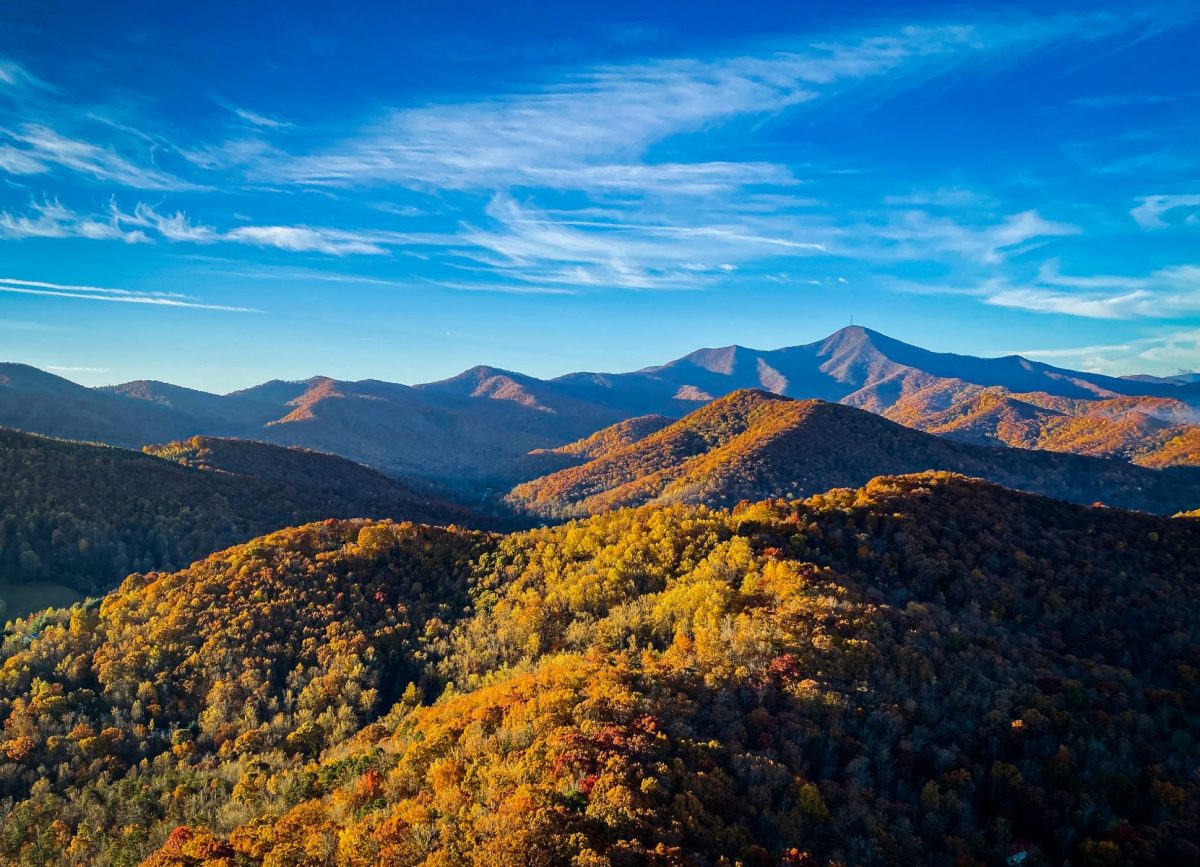
Unlike many destinations where autumn arrives all at once, fall in Western North Carolina unfolds gradually as cooler temperatures move down the Blue Ridge Mountains. The result is one of the country’s longest and most spectacular leaf seasons, stretching from late September into early November.
Whether you’re planning a scenic Blue Ridge Parkway drive, a weekend in downtown Asheville, or a relaxing stay near Lake Lure, understanding how elevation affects the changing leaves will help you choose the perfect time to visit.
Why Asheville’s Fall Color Season Lasts So Long
One of the reasons Asheville has become one of America’s premier leaf-peeping destinations is elevation.
Within an hour’s drive, you can travel from valleys sitting around 1,000 feet above sea level to mountain peaks exceeding 6,000 feet. Because temperatures cool faster at higher elevations, the leaves begin changing there first before gradually working their way down the mountains.
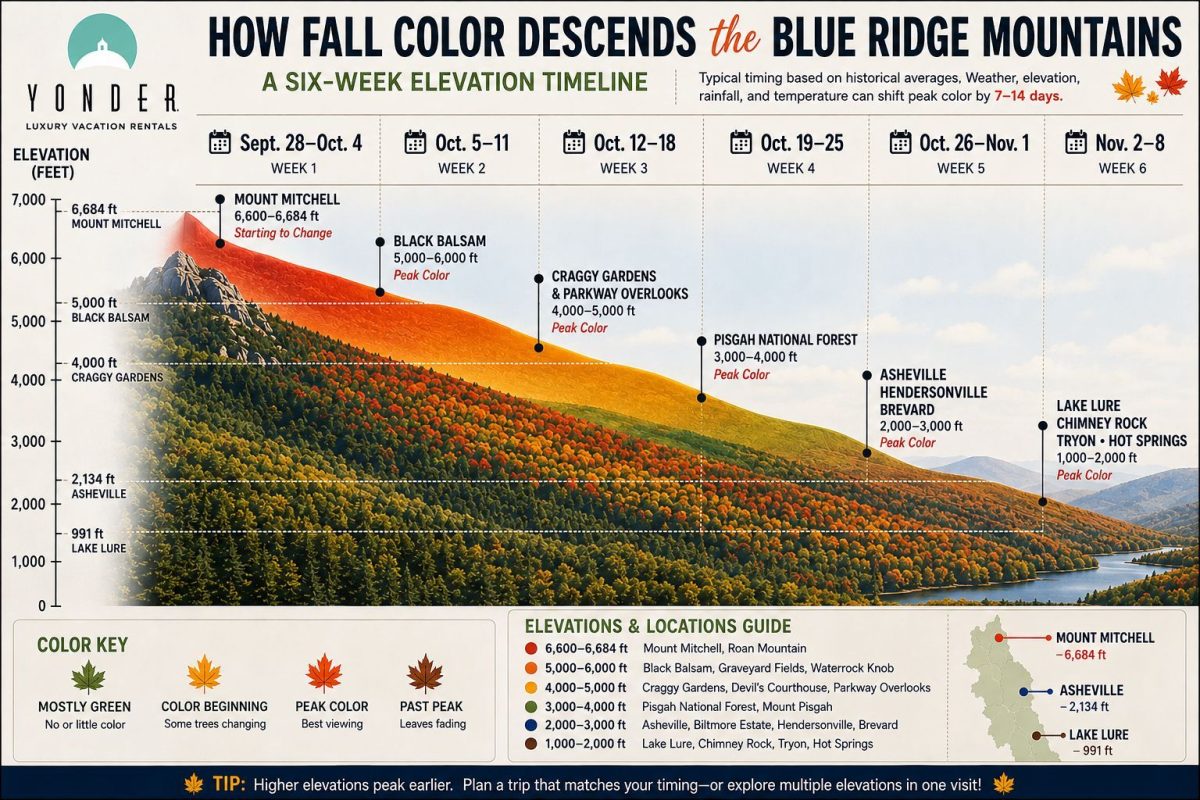
Typical timing based on historical averages. Weather, elevation, rainfall, and temperature can shift peak fall color by 7–14 days.
This natural progression means there isn’t one “peak weekend.” Instead, there are several weeks where spectacular color can be found—you simply need to know where to look.
Week-by-Week Fall Color Guide
Late September
The Season Begins
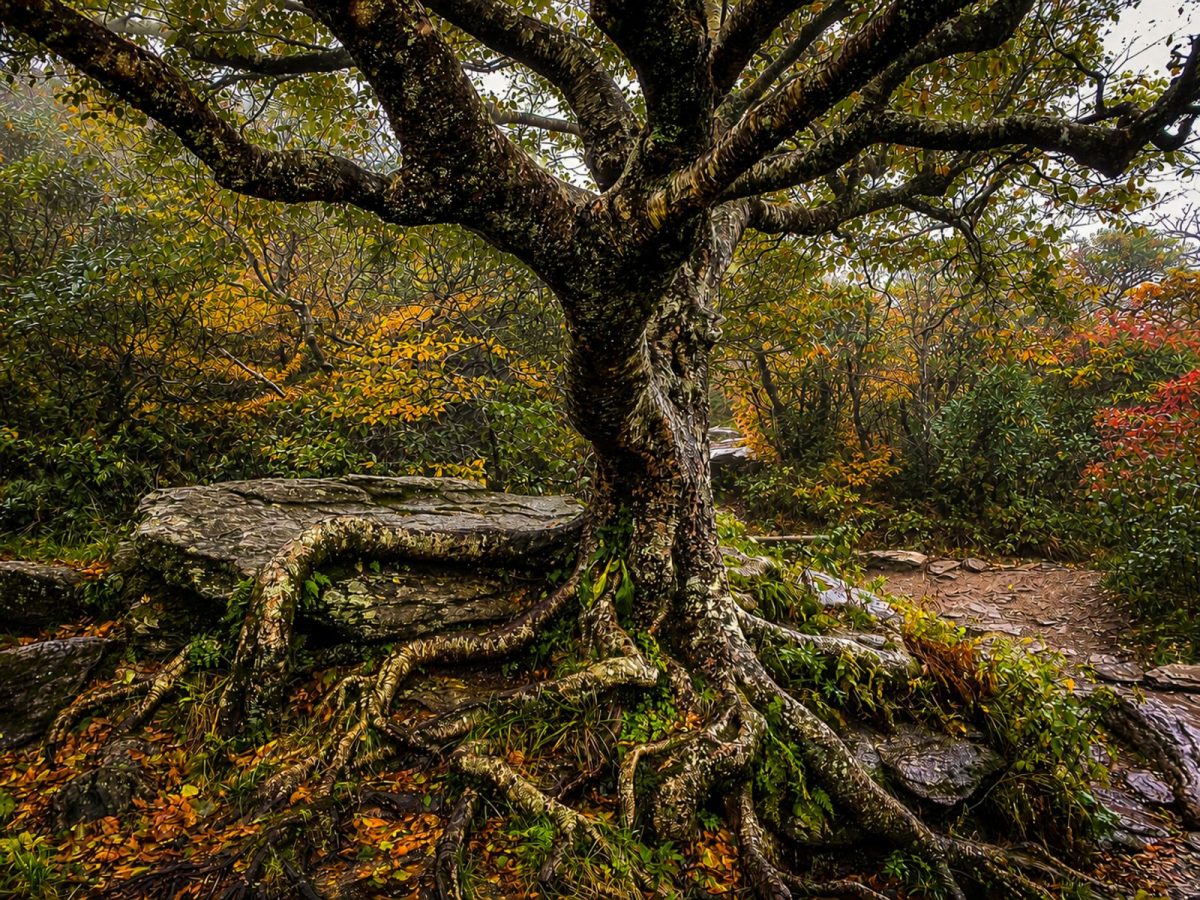
If you’re hoping to be among the first to experience fall, head for the highest elevations.

Look for early color at:
- Mount Mitchell State Park
- Black Balsam
- Graveyard Fields
- Waterrock Knob
- Craggy Gardens
The first hints of red, orange, and gold usually appear here, while Asheville itself remains mostly green.
Early October
Higher Elevations Reach Peak
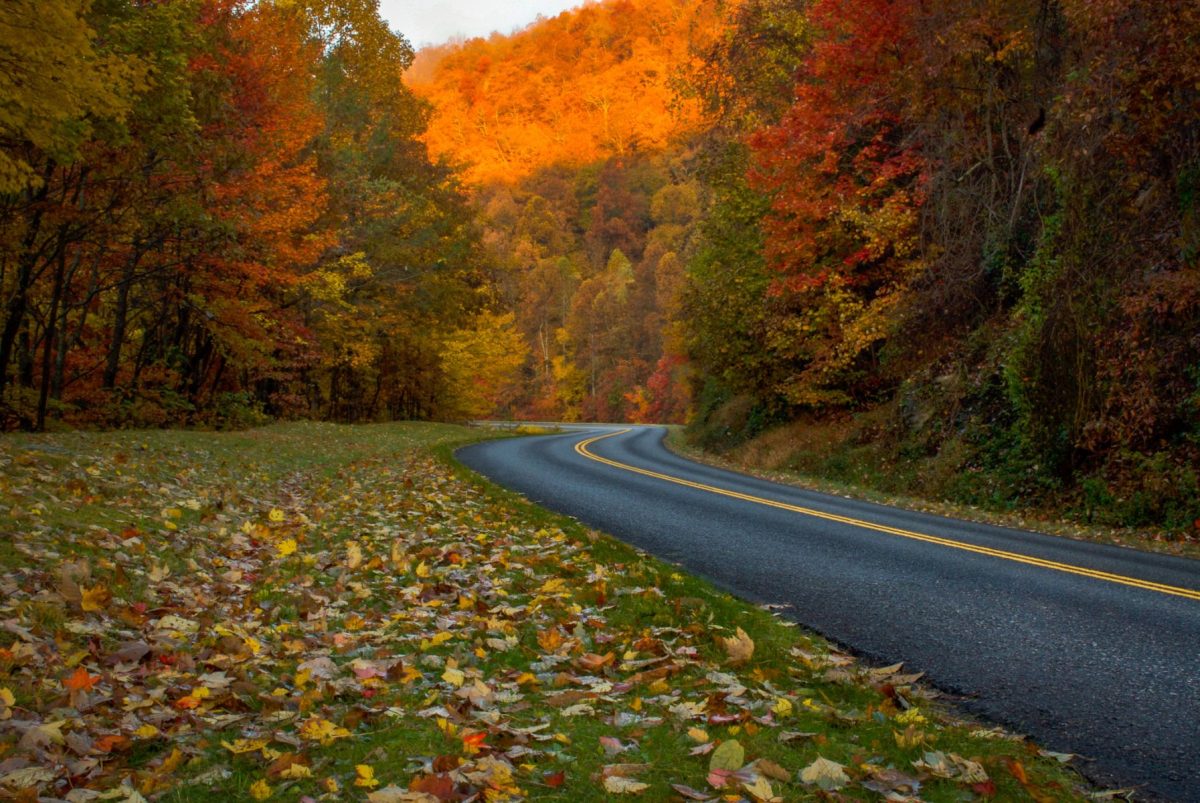
By early October, many of the Blue Ridge Parkway’s highest overlooks are putting on an incredible show.
This is one of the best times to:
- Drive the Blue Ridge Parkway
- Hike Black Balsam
- Visit Graveyard Fields
- Explore Mount Mitchell
Cool mornings, comfortable afternoons, and panoramic mountain views make this a favorite time for photographers.
Mid October
The Color Moves Down the Mountains
Around mid-October, elevations between roughly 3,000 and 4,500 feet typically offer outstanding color.
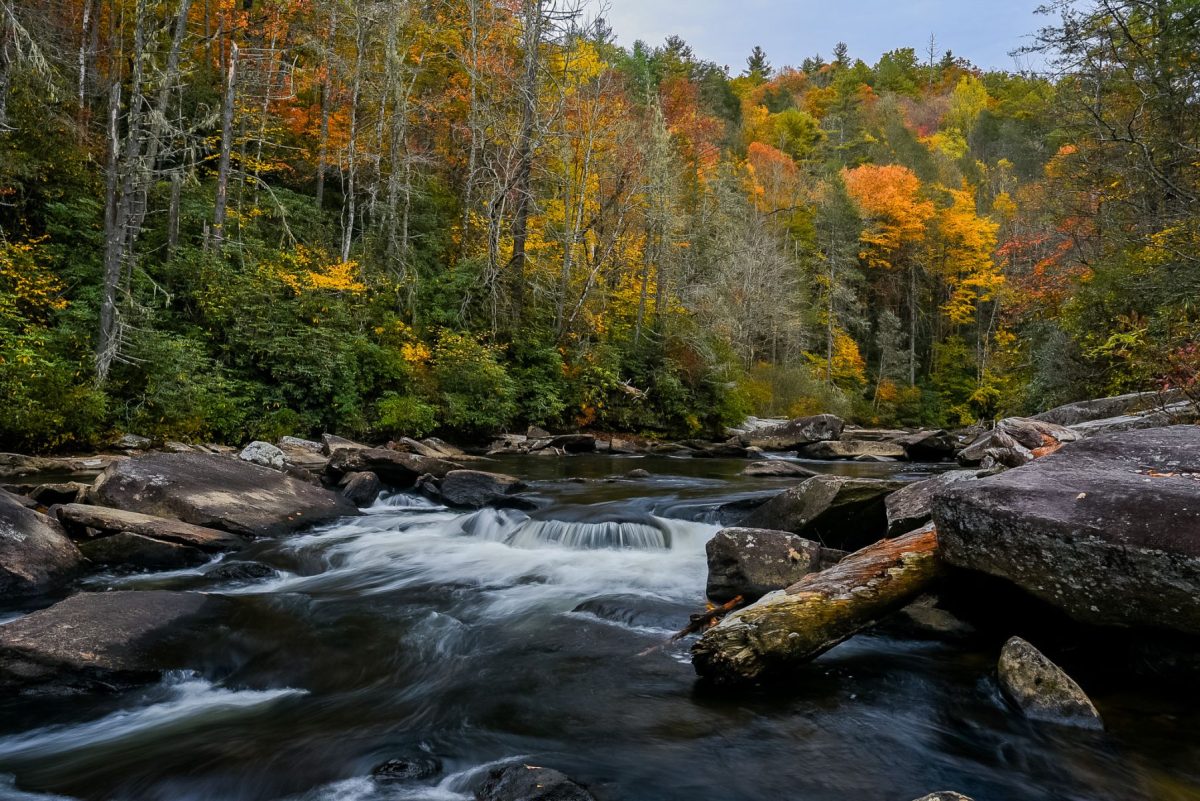
Great destinations include:
- Blue Ridge Parkway overlooks
- Pisgah National Forest
- Bent Creek
- DuPont State Recreational Forest
- The mountains surrounding Asheville
Many visitors consider this the “sweet spot” because mountain views remain colorful while hiking temperatures are ideal.
Mid to Late October
Asheville Takes Center Stage
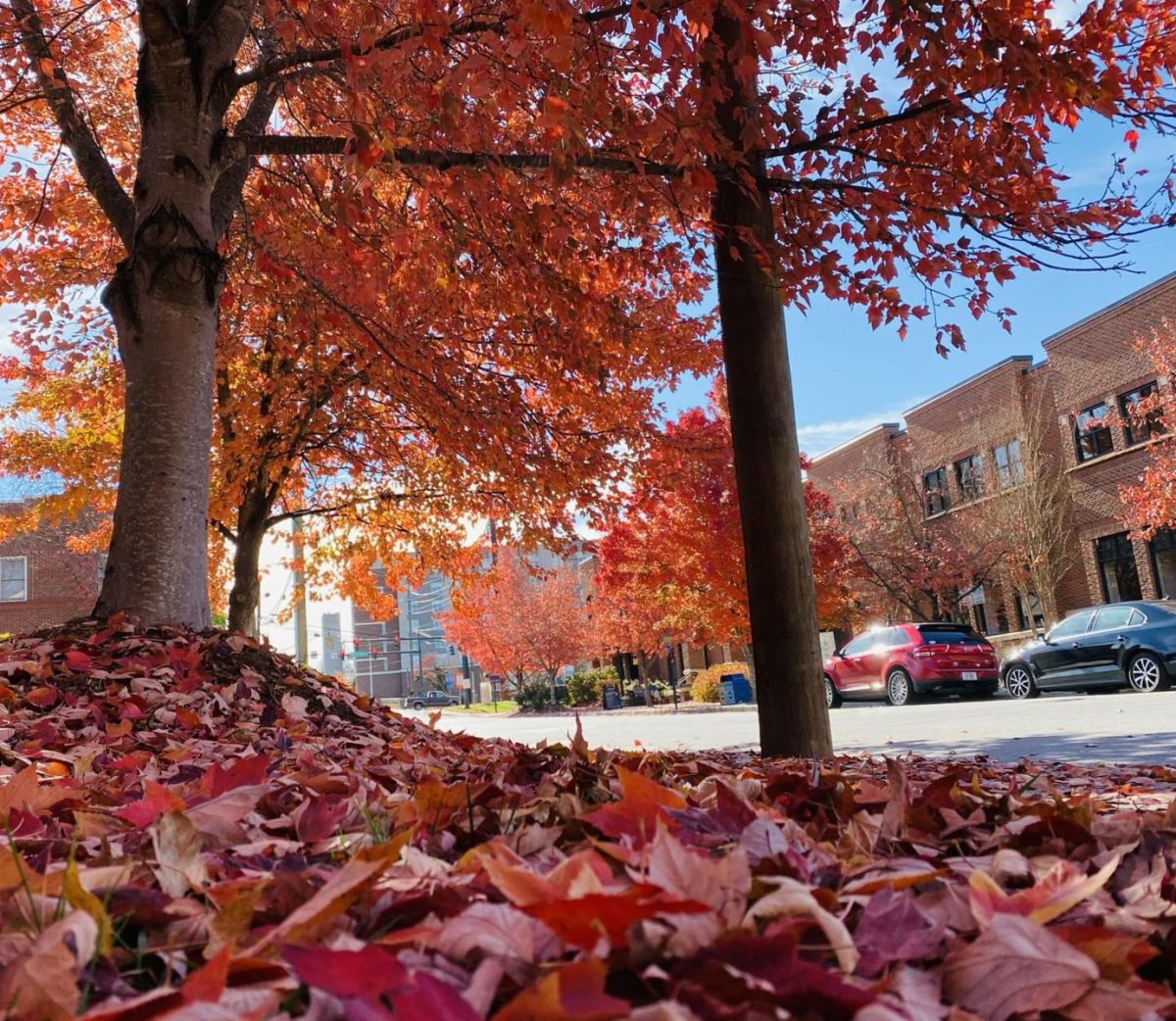
This is when Asheville itself usually reaches its most colorful period.
Expect gorgeous foliage throughout:
- Downtown Asheville
- The Biltmore Estate
- The North Asheville neighborhoods
- Black Mountain
- Hendersonville
- Brevard
It’s also one of the busiest travel periods of the year, so booking accommodations well in advance is highly recommended.
Late October to Early November
Don’t Miss the Valleys
Many visitors assume leaf season is over.
It isn’t.
While the highest elevations may have already dropped their leaves, lower elevations often reach their peak during this time.
Excellent late-season destinations include:
- Lake Lure
- Chimney Rock
- Tryon
- Hot Springs
- Marshall
- Gorges State Park
This is a wonderful time for travelers looking for beautiful scenery with slightly smaller crowds.
What Affects Peak Fall Color?
Mother Nature always has the final say.
Several factors influence exactly when peak color arrives each year:
- Summer rainfall
- Cool nighttime temperatures
- Sunny autumn days
- Wind
- Heavy rain
- Early freezes
A warm September may delay the season slightly, while drought or strong storms can shorten it.
That’s why every fall is unique, even though the overall progression remains remarkably consistent.
Frequently Asked Questions
What is the best week to visit Asheville for fall colors?
For Asheville itself, the third and fourth weeks of October are often the best bet. If your schedule is flexible, remember that changing your elevation can dramatically change what you’ll see.
Is October always peak leaf season?
Generally, yes—but different elevations peak at different times.
The highest mountains often peak in early October, while Asheville typically follows in mid-to-late October and lower valleys continue into early November.
Is the Blue Ridge Parkway the best place to see fall colors?
The Parkway is certainly one of the best places, especially because you can easily adjust your elevation throughout the day to find the brightest foliage. It also offers countless overlooks, hiking trails, and picnic areas.
Where Should You Stay?
One of the advantages of staying with Yonder is having access to homes throughout Western North Carolina.
Whether you’re looking for:
- A downtown Asheville getaway
- A secluded mountain cabin
- A luxury home with panoramic views
- A peaceful retreat near Lake Lure
- A cozy cottage close to Hendersonville
You’re never far from incredible fall scenery.
Start Planning Your Fall Escape
Leaf season is one of the most popular times of year to visit Asheville, and it’s easy to understand why. Crisp mornings, scenic mountain drives, vibrant forests, pumpkin patches, breweries, apple orchards, and cozy evenings by the fire create unforgettable memories.
No matter when you visit, there’s a good chance you’ll find incredible color somewhere in the Blue Ridge Mountains—you simply have to know where to look.
Browse Yonder’s collection of vacation homes and start planning your perfect fall getaway today.